
___________
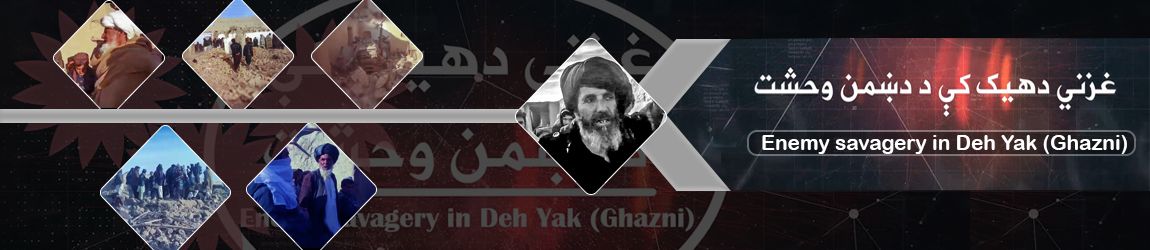
To inquire about a translation for this video message for a fee email: [email protected]
___________
To inquire about a translation for this video message for a fee email: [email protected]
______________
Source: Telegram
To inquire about a translation for this video message for a fee email: [email protected]
The meetings taking place for the past six consecutive days in the Qatari capital of Doha between the negotiation team of Islamic Emirate and the United States finally came to an end today.
In accordance with the agenda, this round of negotiations revolving around the withdrawal of foreign troops from Afghanistan and other vital issues saw progress; but since issues are of critical nature and need comprehensive discussions therefore it was decided that talks about unsolved matters will resume in similar future meetings in order to find an appropriate and effective solution and also to share details of the meetings and receive guidance from their respective leaderships.
The policy of the Islamic Emirate during talks was very clear – until the issue of withdrawal of foreign forces from Afghanistan is agreed upon, progress in other issues is impossible.
In the end the delegation of the Islamic Emirate thanked Qatar for their facilitation role.
Reports by some media outlets about agreement on a ceasefire and talks with the Kabul administration are not true.
Spokesman of Islamic Emirate of Afghanistan
Zabihullah Mujahid
26/05/1440 Hijri Lunar
06/11/1397 Hijri Solar 26/01/2018 Gregorian
____________
Source: Telegram
For previous parts in this video series: #3, #2, and #1.
—

____________
To inquire about a translation for this video message for a fee email: [email protected]
___________
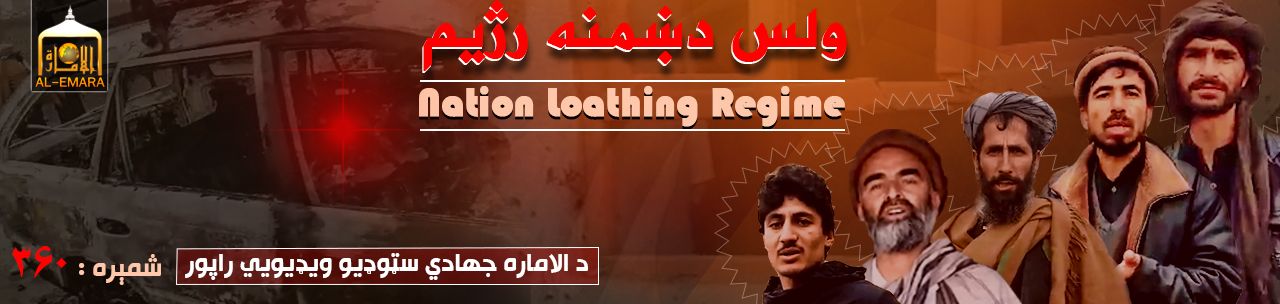
To inquire about a translation for this video message for a fee email: [email protected]
For prior issues see: #32, #31, #30, #29, #28, #27, #26, #25, #24, #23, #22, #21, #20, #19, #18, #17, #16, #15, #14, #13, #12, #11, #10, #9, #8, #7, #6, #5, #4, #3, #2, #1, and #0.
—
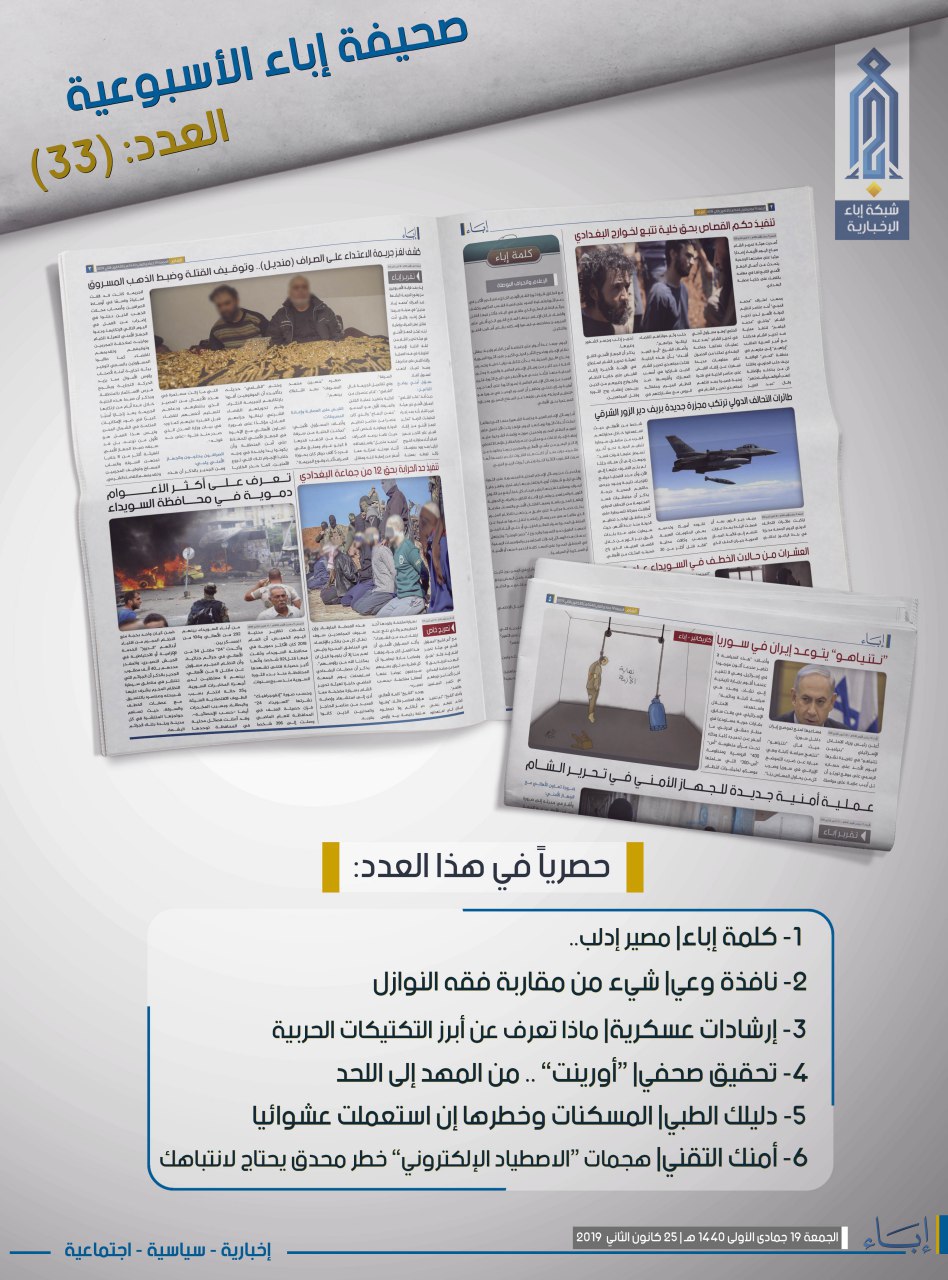
Click the following link for a safe PDF copy: Hay’at Taḥrīr al-Shām — “Ibā’ Newsletter #33″
___________
To inquire about a translation for this newsletter issue for a fee email: [email protected]
Sunday January 20:
What Explains Taxation by Resource-Rich Rebels? Evidence from the Islamic State in Syria – Mara Redlich Revkin, Journal of Politics: https://bit.ly/2Rx5KQr
Monday January 21:
Testing Transitions: Extremist Prisoners Re-Entering Indonesian Society – Cameron Sumpter, Yuslikha K. Wardhani, and Sapto Priyanto, Studies in Conflict & Terrorism: https://bit.ly/2RkjgXI
Introducing the Nonviolent Action in Violent Contexts (NVAVC) dataset – Erica Chenoweth, Cullen S Hendrix, and Kyleanne Hunter, Journal of Peace Research: https://bit.ly/2WjtivP
The politics of consensus: al-Nahda and the stability of the Tunisian transition – Rory McCarthy, Middle Eastern Studies: https://bit.ly/2B5JCHL
Fratricide in rebel movements: A network analysis of Syrian militant infighting – Emily Kalah Gade, Mohammed M Hafez, and Michael Gabbay, Journal of Peace Research: https://bit.ly/2Th7XkP
Tuesday January 22:
Al-Qaeda in the Indian Subcontinent (AQIS): The Nucleus of Jihad in South Asia – The Soufan Center: https://bit.ly/2WgtpIJ
Wednesday January 23:
Timbuktu: A Laboratory for Jihadists Experimenting With Politics – Alex Thurston, War on the Rocks: https://bit.ly/2COh1GG
Gender, Masculinities, and Counterterrorism – Catherine Powell and Rebecca Turkington, Council on Foreign Relations: https://on.cfr.org/2MxQDFD
How did the Islamic State’s rise reshape jihadist plots inside Australia? Part 1 – Andrew Zammit, AVERT: https://bit.ly/2MIOB5x
Thursday January 24:
Messages to Arabia: Al-Qaida Attacks MBS and the Saudi Monarchy – Bernard Haykel and Cole Bunzel, Jihadica: https://bit.ly/2RiGVb8
A Brief Primer on Experimental and Quasi-Experimental Methods in the Study of Terrorism – Kurt Braddock, The International Centre for Counter-Terrorism – The Hague: https://bit.ly/2B7VBEu
Friday January 25:
The Complexity of Radicalization and Recruitment in Kwale, Kenya – Kennedy Mkutu and Vincent Opondo, Terrorism and Political Violence: https://bit.ly/2CNQABe
Why Do Some Terrorist Attacks Receive More Media Attention Than Others? – Erin M. Kearns, Allison E. Betus, and Anthony F. Lemieux, Justice Quarterly: https://bit.ly/2WonxwO
Jaysh al-Islam in Gaza: Exclusive Interview – Aymenn Jawad Al-Tamimi: https://bit.ly/2B4wG4U
Disinformation and digital influencing after terrorism: spoofing, truthing and social proofing – Martin Innes, Diyana Dobreva, and Helen Innes, Contemporary Social Science: https://bit.ly/2I02pKu
For prior parts in this video series see: #1 and Introduction
—
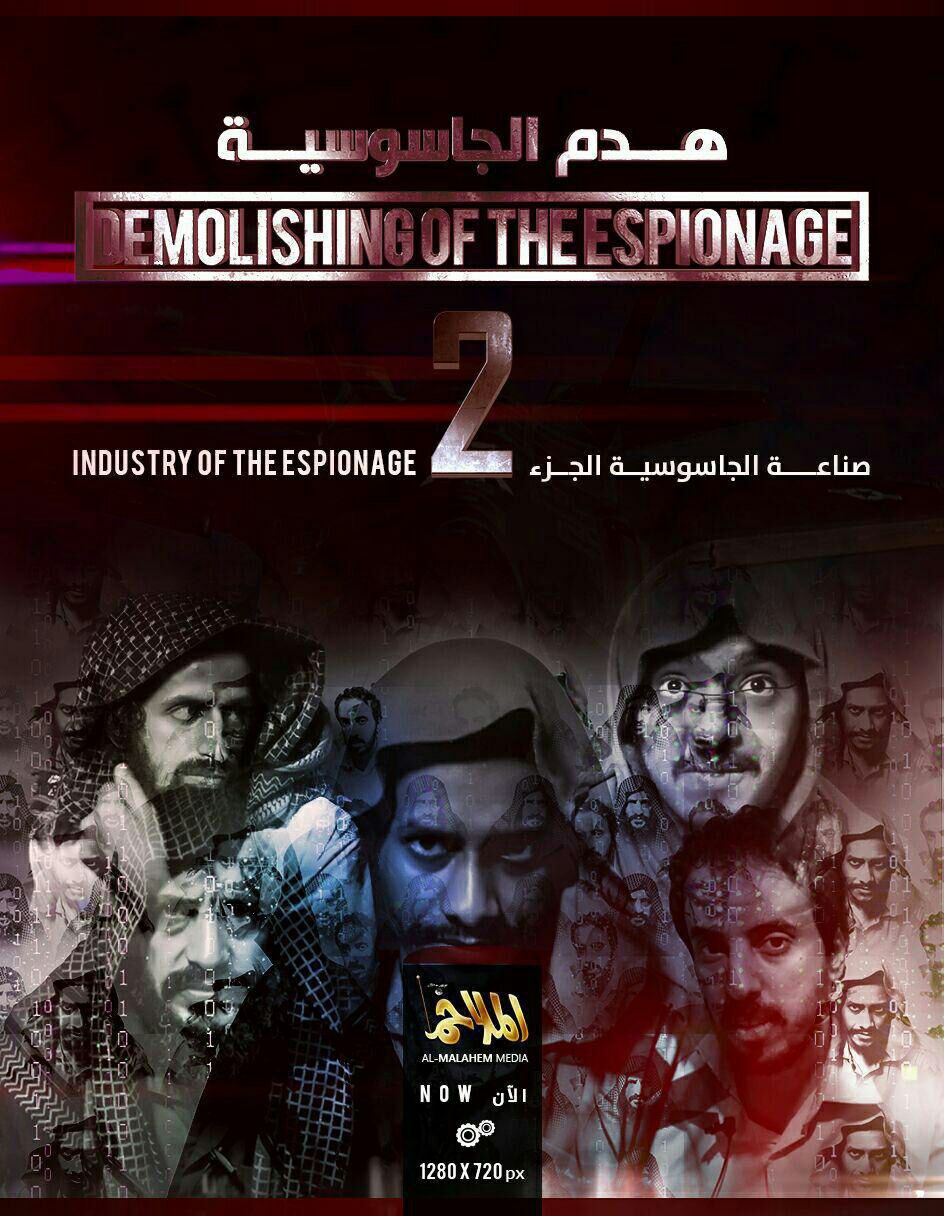
______________
Source: Telegram
To inquire about a translation for this video message for a fee email: [email protected]
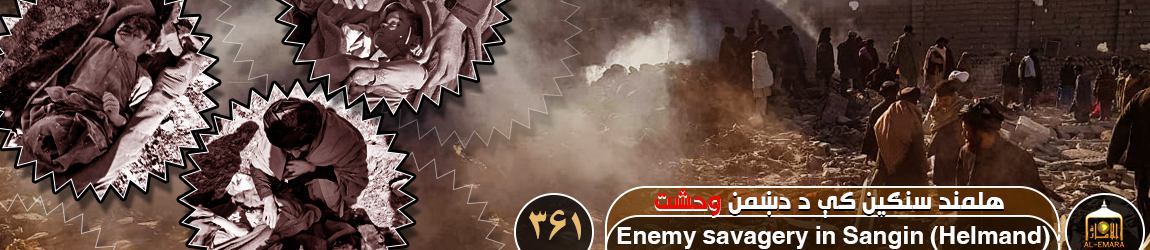
____________
To inquire about a translation for this video message for a fee email: [email protected]
For prior parts see: #165, #164, #163, #162, #161, #160, #159, #158, #157, #156, #155, #154, #153, #152, #151, #150, #149, #148, #147, #146, #145, #144, #143, #142, #141, #140, #139, #138, #137, #136, #135, #134, #133, #132, #131, #130, #129, #128, #127, #126, #125, #124, #123, #122, #121, #120, #119, #118, #117, #116, #115, #114, #113, #112, #111, #110, #109, #108, #107, #106, #105, #104, #103, #102, #101, #100, #99, #98, #97, #96, #95, #94, #93, #92, #91, #90, #89, #88, #87, #86, #85, #84, #83, #82, #81, #80, #79, #78, #77, #76, #75, #74, #73, #72, #71, #70, #69, #68, #67, #66, #65, #64, #63, #62, #61, #60, #59, #58, #57, #56, #55, #54, #53, #52, #51, #50, #49, #48, #47, #46, #45, #44, #43, #42, #41, #40, #39, #38, #37, #36, #35, #34, #33, #32, #31, #30, #29, #28, #27, #26, #25, #24, #23, #22, #21, #20, #19, #18, #17, #16, #15, #14, #13, #12, #11, #10, #9, #8, #7, #6, #5, #4, #3, #2, and #1.
—
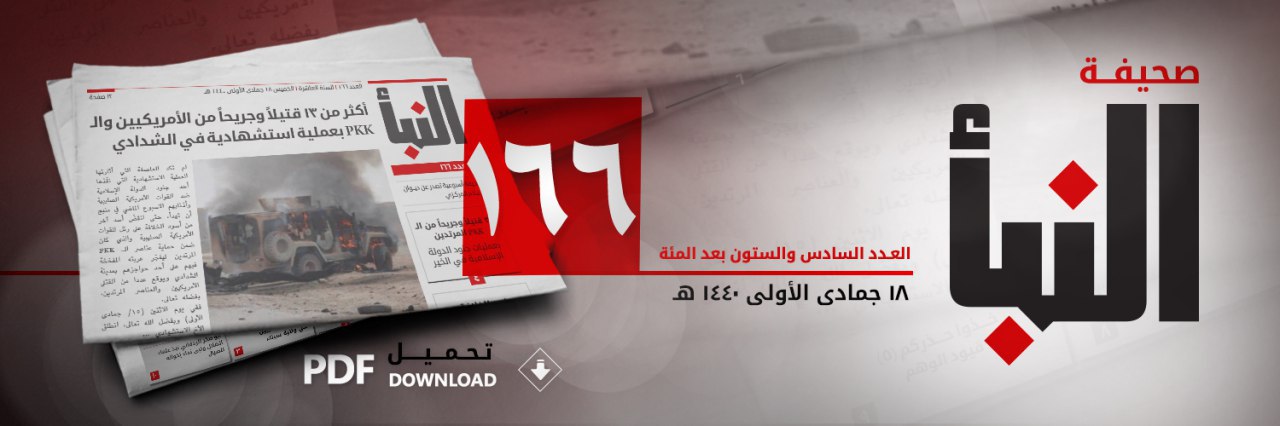
Click the following link for a safe PDF copy: The Islamic State — “al-Nabā’ Newsletter #166”
_____________
Source: Telegram
To inquire about a translation for this newsletter issue for a fee email: [email protected]