
Click here for the first part in this video series.
—
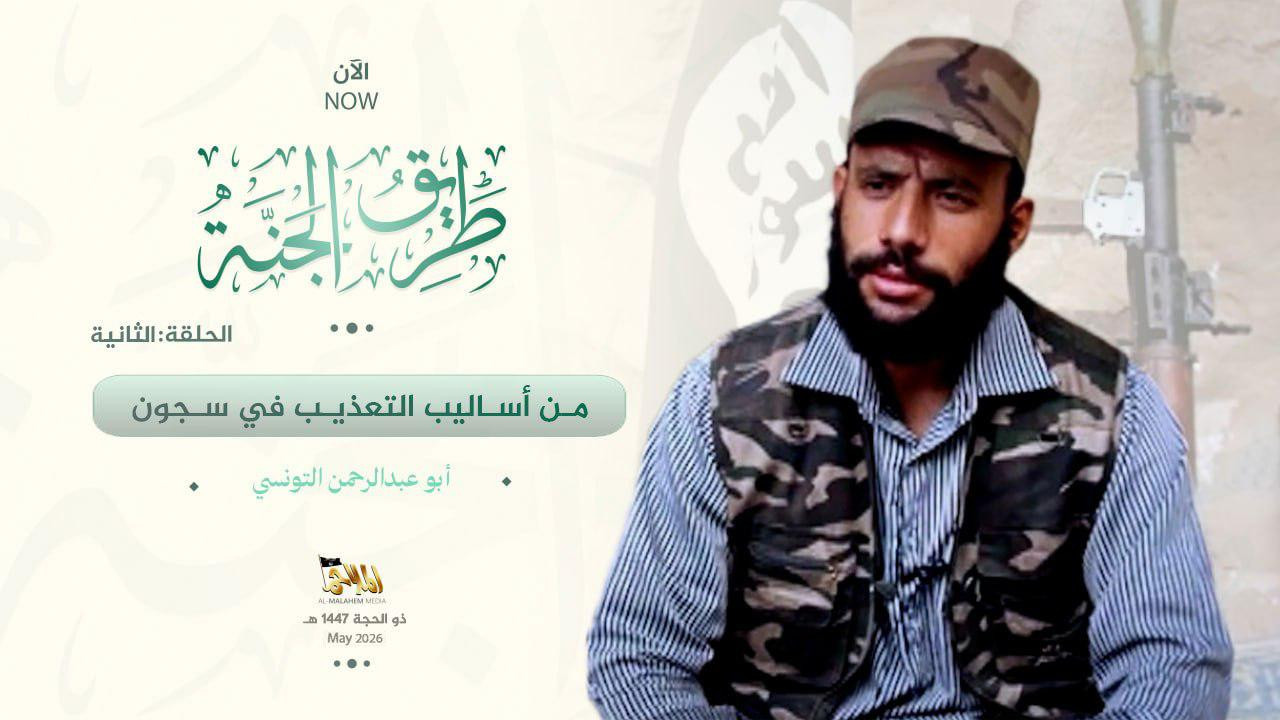
_________________
Source: RocketChat
To inquire about a translation for this video message for a fee email: [email protected]
Click here for the first part in this video series.
—
_________________
Source: RocketChat
To inquire about a translation for this video message for a fee email: [email protected]
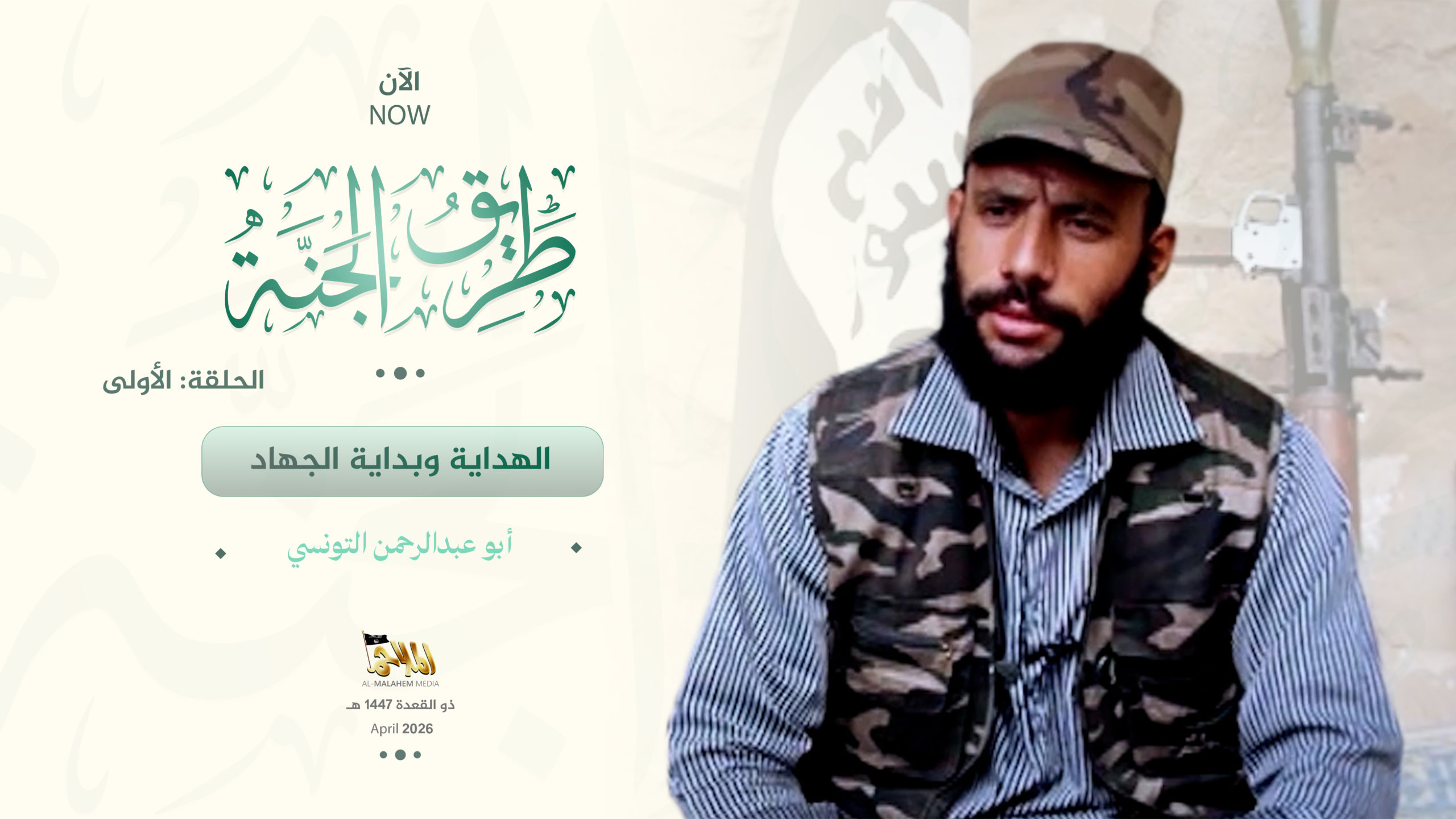
_______________
Source: RocketChat
To inquire about a translation for this video message for a fee email: [email protected]

In the aftermath of the 2011 Arab uprisings, North Africa (Libya and Tunisia in particular) became a flashpoint for large-scale jihadi mobilization. Yet more than a decade later, both countries and the region, in general, are relatively quiet–at least with regard to jihadism–in contrast to the growing strength of the jihadi movement in sub-Saharan Africa. Tracing the evolution of the movement and its current state in North Africa offers insights into its prospects for the future.
Click here to read the rest of the article.

Ever since President Kais Saied’s July 2021 coup, the professionalized Tunisian counterterrorism apparatus that emerged after the 2011 revolution has become increasingly politicized, auguring a return to the methodologies of former leader Zine al-Abidine Ben Ali. If this trajectory continues, it will undermine efforts to keep a lid on Tunisia’s jihadist movement, which continues to pose threats today even though they are far less acute than those seen from 2012 to 2019.
Beyond its moral and human aspects, this descent holds sobering implications for U.S. assistance. From 2013 to 2021, Washington sank at least $30 million into reforming Tunisia’s counterterrorism system, much of this coming after the country was hit by large-scale attacks in 2015-16. Another $20 million was provided for military education and training, along with around $100 million for law enforcement reform. Tunisian counterterrorism may not be the top-line issue it once was, but the scope of U.S. expenditures lends extra urgency to addressing Saied’s backslide.
Click here to read the rest.
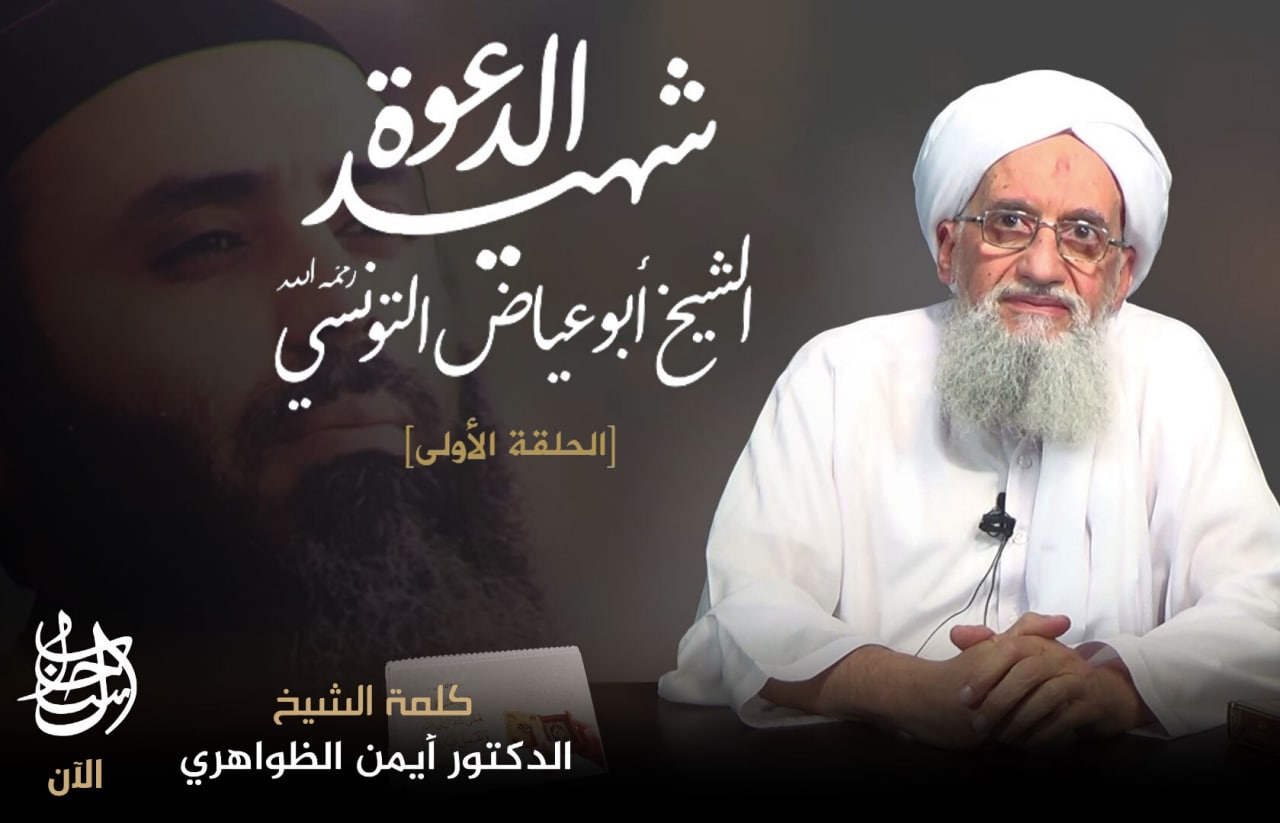
________________
To inquire about a translation for this video message for a fee email: [email protected]
There are two main reasons for this: 1. pledges are leader-specific rather than group-specific and thus need to be renewed with each succession and 2. it is a way to legitimize al-Qurashi’s rule and create a media event so that the group can promote itself as it transitions to a new phase.
The first reason is also something that IS pointed to when it began to overtly feud with al-Qaeda (AQ) in 2013, by saying that following Abu Mus’ab al-Zarqawi’s death, his successor Abu Hamzah al-Muhajir gave baya to the newly created Islamic State of Iraq’s leader Abu ‘Umar al-Baghdadi and even after Abu ‘Umar was killed, when Abu Bakr al-Baghdadi took over in 2010 and then Usamah Bin Laden was killed in 2011, Abu Bakr never publicly gave baya to Ayman al-Zawahiri, even if al-Zawahiri claims he gave it to him privately. Therefore, from the perspective of IS this whole process is not trivial, but important for legitimacy of its leadership and to potentially weed out any insubordination before it manifests into something larger as it already did in the past vis-a-vis AQ.
This post will be updated with the latest official pledges.
—
December 1, 2022:
Wilāyat Gharb Ifrīqīyah – Sambisa Region


Wilāyat Khurāsān


Wilāyat al-‘Irāq


Wilāyat Gharb Ifrīqīyah – al-Buhayrah Region


December 2:
Wilāyat Gharb Ifrīqīyah – al-Faruq Region


Wilāyat al-Shām


Wilāyat Gharb Ifrīqīyah – Banki Region


December 3:
Wilāyat al-Yaman


Wilāyat Gharb Ifrīqīyah – Krenoa Region


Wilāyat al-‘Irāq


Wilāyat al-Sāḥil – Azawagh, Tri-Border, and Burkina Faso Regions


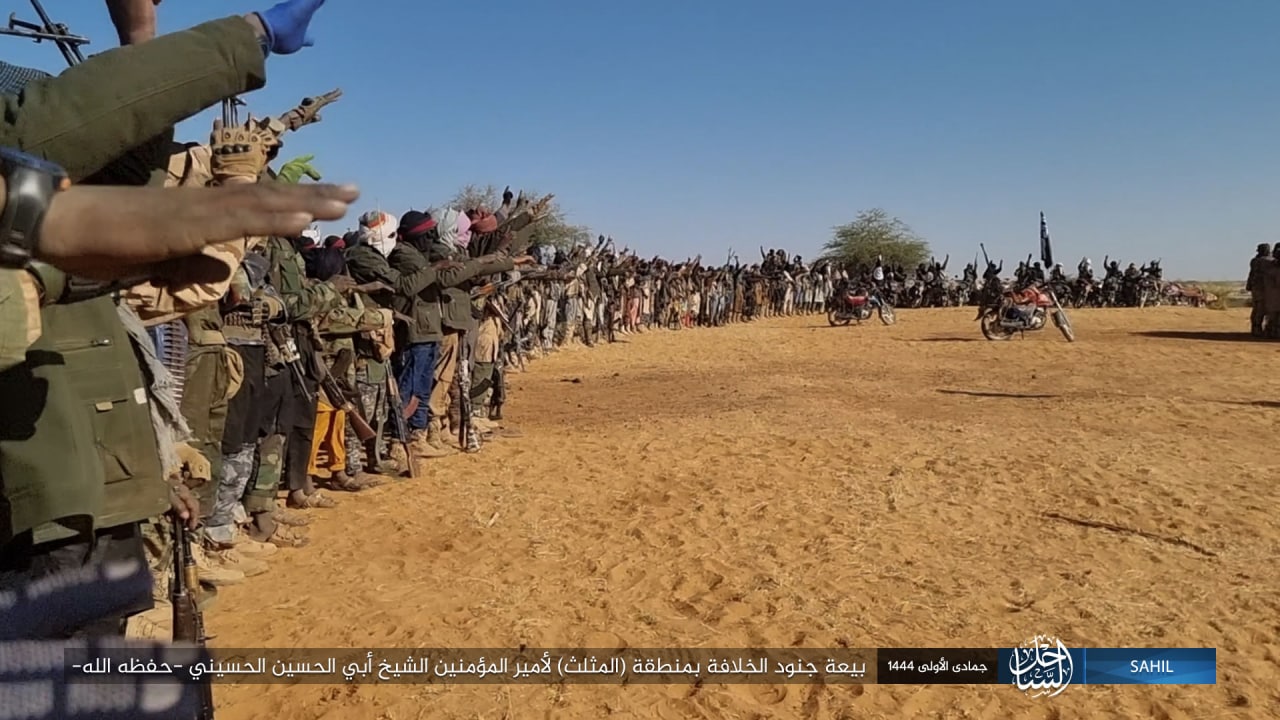


December 4:
Wilāyat al-Ṣūmāl


Wilāyat Wasaṭ Ifrīqīyah


Wilāyat al-Sāḥil – Anderamboukane Village


December 5:
Wilāyat Gharb Ifrīqīyah – Central Nigeria


Wilāyat al-Shām


Wilāyat Bākistān


Wilāyat Mūzambīq


Wilāyat Wasaṭ Ifrīqīyah – Beni Region


December 7, 2022:
Tūnis


Wilāyat al-Hind – Kashmir


Wilāyat Mūzambīq – Nangade Region


December 8, 2022:
Lubnān


December 14, 2022:
Wilāyat Saynā’


December 17, 2022:
Wilāyat Sharq Asīā


December 19:
Wilāyat Lībīyā



Click here for a transcript of the interview.
As the threat of jihadist attacks in Tunisia faded to a manageable issue in recent years, reforms related to professionalization, transparency, and rule of law became central to moving the country’s counterterrorism architecture forward. Yet last year’s coup by President Kais Saied raised new questions about this progress, with observers wondering whether his authoritarian instincts would lead counterterrorism to be politicized as it was prior to the 2011 revolution.
Click here to read the rest.

Click the following link for a safe PDF copy: Shaykh Abū Basīr al-Ṭarṭūsī — Miscellaneous Thoughts About the Current Situation in Tunisia
_________________
To inquire about a translation for this release for a fee email: [email protected]
Twenty years ago today, Tunisians helped carry out the assassination of Afghan Northern Alliance leader Ahmad Shah Massoud two days before the 9/11 attacks. In the late 1990s, Massoud had been a key U.S. ally against the Taliban’s advances, and although his fortunes had changed significantly by 2001, Washington would no doubt have relied on him heavily during the post-9/11 invasion were he still alive. Flash forward to this week, and the Taliban has just declared victory over resistance forces led by Massoud’s son Ahmad in the Panjshir Valley—a sobering bookend to a battle the group has been waging against the Northern Alliance for two decades.
Yet the heavy Tunisian involvement and other circumstances of the 2001 assassination merit a closer look, not only for their impact on subsequent developments in the global jihadist movement, but also because of the implications they hold now that Afghanistan is once again under Taliban control. Massoud’s death served multiple purposes, some of which were not entirely evident until after the fact: his killing was a gift that the Tunisian Combat Group (TCG) and al-Qaeda gave the Taliban for fighting their local enemy, as well as a public signal to launch the 9/11 attacks and an important part of al-Qaeda’s preparations for the eventual coalition invasion of Afghanistan. This is the story of the assassination, who was behind it, and why it still matters for individuals attempting to understand how jihadist networks change over time—and what types of operatives may now return to Afghanistan.
Click here to read the rest.