For prior parts in this video series see: #2 and #1.
—
_______________
To inquire about a translation for this video message for a fee email: [email protected]
For prior parts in this video series see: #2 and #1.
—
_______________
To inquire about a translation for this video message for a fee email: [email protected]
Click the following link for a safe PDF copy: Taqī al-Dīn ‘Umar — The Arrest of the Person Involved In the Attack on An Exchange Store in Kafr Takhārīm
_____________
Source: Telegram
To inquire about a translation for this statement for a fee email: [email protected]
For prior parts in this video series see: #5, #4, #3, #2, #1 and Introduction.
—
____________________
To inquire about a translation for this video message for a fee email: [email protected]

The Islamic Emirate instructs all officials, commissions/departments chiefs, provincial and district governors, military unit and group commanders, the Mujahideen and all compatriots to take into consideration the following vis-à-vis ancient artifacts found around the country:
– As Afghanistan is a country replete with ancient artifacts and antiquity, and that such relics form a part of our country’s history, identity and rich culture, therefore all have an obligation to robustly protect, monitor and preserve these artifacts.
– No one is allowed to excavate, transport and sell historic artifacts anywhere, nor to move it outside the country under some other name.
– All Mujahideen must prevent excavation of antiquities and preserve all historic sites like old fortresses, minarets, towers and other similar sites so to safeguard them from damage, destruction and decay.
– As the Commission for Cultural Affairs is tasked with the duty of guarding and preserving ancient artifacts, all departments of the Emirate especially the Military Commission, governors and other Mujahideen must coordinate and cooperate with the Cultural Commission in protecting these artifacts.
– All type of trade, contracts and transport and transfer of ancient goods is henceforth forbidden. No one should try to disturb such sites or think about using them for profit.
Islamic Emirate of Afghanistan
08/07/1442 Hijri Lunar
02/12/1399 Hijri Solar 20/02/2021 Gregorian
_________________

On February 19, 2011, Tunisia announced a general prisoner amnesty following the overthrow of President Zine al-Abidine Ben Ali, in the process allowing 1,200 jihadists back onto the streets to organize. These individuals included 300 operatives who had previously fought in Afghanistan, Algeria, Iraq, Somalia, and Yemen.
In the ten years since then, the country’s jihadist movement has morphed through various phases and is now at its greatest lull since the revolution, at least in terms of terrorist attacks. The current situation mirrors the movement’s pre-revolution status in other ways as well, with most of its fighters located on foreign fronts, most of its attack planners based in the West, and members imprisoned in multiple countries. The main difference now is that the number of those involved is much larger. And despite the government’s major accomplishments against jihadists over the past five years, it still faces formidable challenges related to reforming its security sector, judiciary, prison system, and governance problems—any of which could undermine the country’s ability to prevent a resurgence of the acute security threats it met from 2011 to 2016.
Click here to read the rest.
_________________
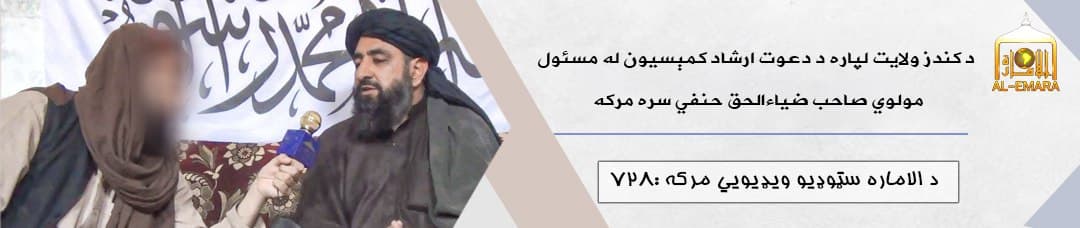
To inquire about a translation for this video message for a fee email: [email protected]
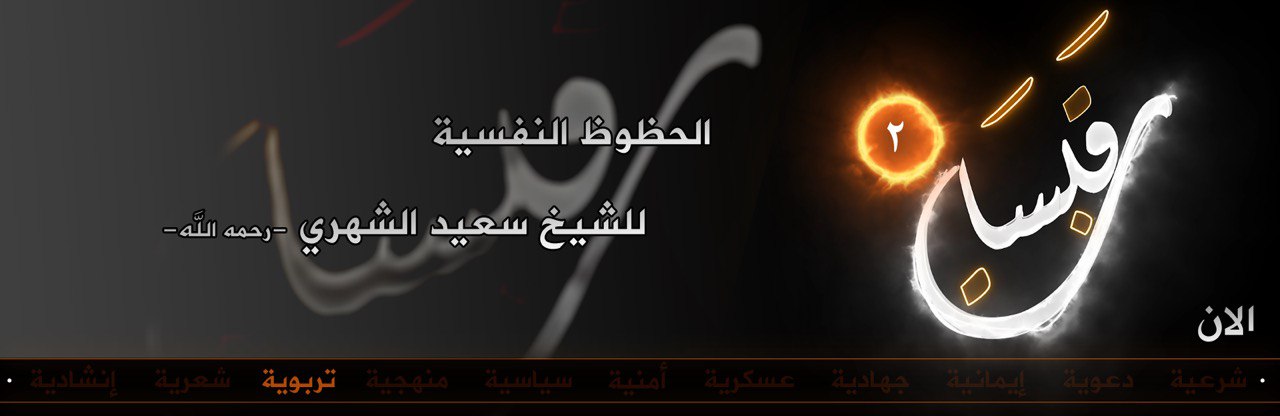
Click here for the first part in this video series.
—
________________
To inquire about a translation for this video message for a fee email: [email protected]

________________
To inquire about a translation for this video message for a fee email: [email protected]
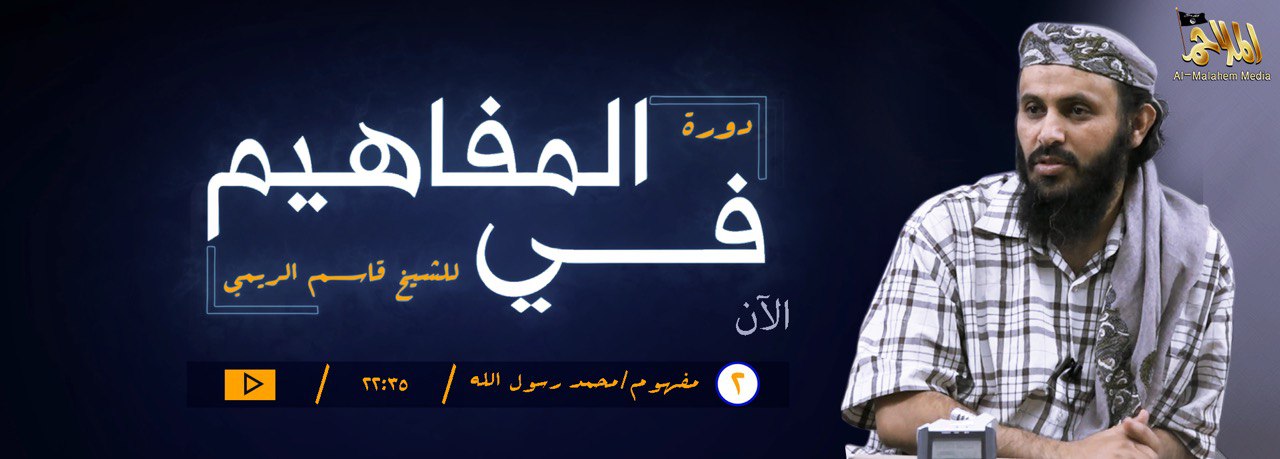
Click here to watch the first part in this video series.
—
_________________
To inquire about a translation for this video message for a fee email: [email protected]